How Much Is It to Buy a Subway Franchise?
Discover the true Subway franchise cost, investment breakdown, and financial requirements to operate this popular brand. Learn what it takes to open your own Subway location.
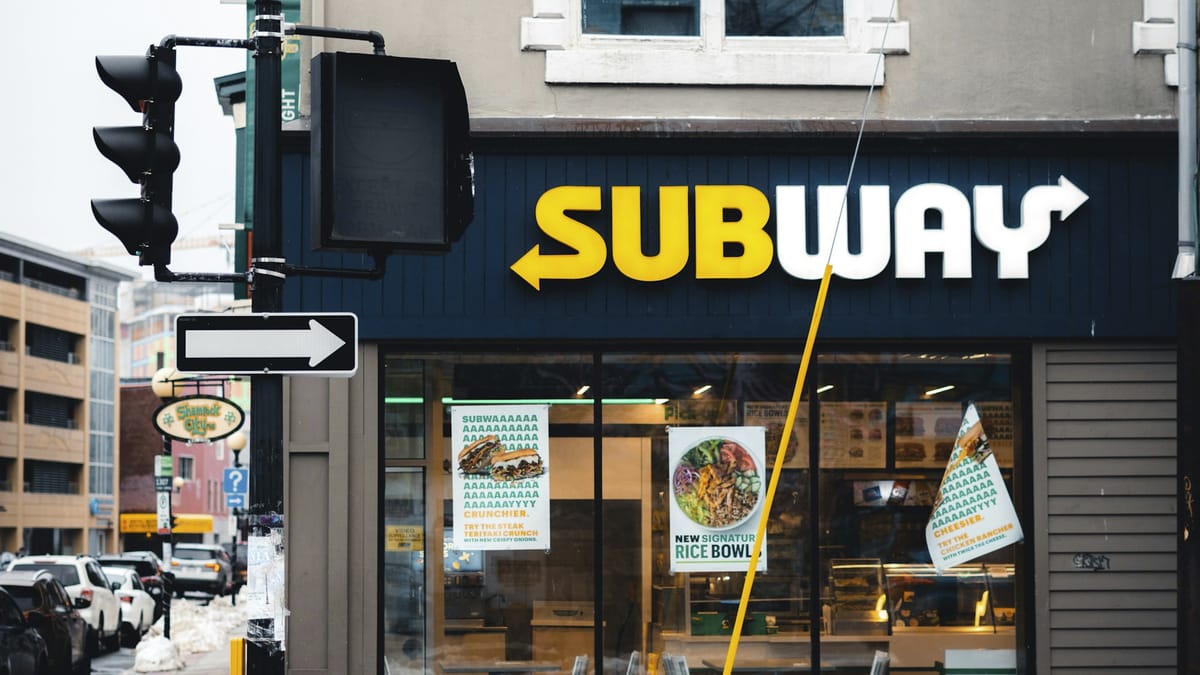
Ever stand in line at Subway, watching the team make sandwiches, and think, “I could run this place”? It’s a common thought for a brand we see on every corner. But before you start scouting locations, there’s one big question: what is the real Subway franchise cost?
That $15,000 franchise fee you may have seen online isn't the total price tag—in fact, it's barely the down payment. The total initial investment for a Subway store typically ranges from $200,000 to nearly $500,000. Think of the franchise fee as an entry ticket; it gets you in the door, but it doesn’t cover the main event.
So where does all that money go? This much larger figure accounts for everything from securing a location and construction to buying ovens, stocking your first order of ingredients, and training your team. Let's break down each expense to give you a clear picture of the true investment.
The $15,000 'Entry Ticket': What the Subway Franchise Fee Actually Covers
The first number you’ll encounter is the Subway franchise fee, a one-time payment of $15,000. This is the non-refundable ticket you pay for the legal right to own and operate a restaurant under their famous brand. It gets your foot in the door and gives you access to their business blueprint.
For that price, you are buying a license and a proven system. This grants you the right to use their official recipes, benefit from their operational training programs, and become part of a globally recognized brand. In short, it’s the key that unlocks their established playbook for running a successful sandwich shop.
Crucially, this payment does not cover any physical part of your store. The franchise fee is separate from the much larger investment required for real estate, construction, ovens, and your first food order. It gets you the official blueprints and the right to build, but you still have to pay for the house itself.
Your Real Start-Up Budget: A Breakdown of the Total Investment
Now that you understand the $15,000 "entry ticket," let's look at the full picture. The initial investment for a Subway store typically ranges from $207,000 to $476,900. This all-in number includes the franchise fee plus everything else you need to get your restaurant’s doors open.
This complete breakdown of Subway start-up costs can be grouped into four main buckets:
- Real Estate & Build-Out: The cost to lease your space and construct the store to Subway’s specifications. This is often the biggest expense.
- Equipment & Technology: Ovens, refrigerators, food counters, and the point-of-sale cash register system.
- Initial Supplies & Inventory: Your first order of bread, meats, veggies, drinks, and packaging.
- Working Capital & Other Fees: A cash cushion for the first few months, plus funds for insurance, training, and professional services.
The main reason for this wide cost range is location. Subway equipment and build-out expenses for a small-town strip mall location will be far lower than for a high-traffic spot in a major city. The size of the restaurant and the condition of the space you lease also heavily influence your final bill.
Finally, “Working Capital” is your business’s emergency fund. It’s the cash you’ll need on hand to pay rent, staff, and suppliers for the first three months before your store is likely to become profitable.

The Ongoing Costs: How Much You'll Pay Every Month to Stay Open
Your costs don't stop once the "Open" sign is lit. The Subway franchise agreement terms involve sharing a slice of your revenue with the parent company for continuing to use the brand, recipes, and support system. The two main recurring payments are the Royalty Fee and the Advertising Fee.
These fees are calculated based on your restaurant's Gross Sales—the total money collected from customers before you pay for staff, rent, or food. Currently, Subway charges an 8% royalty fee and a 4.5% advertising fee. Combined, that’s 12.5% of your top-line revenue going back to corporate each week.
For example, if your store generates $10,000 in sales in one month, $1,250 of that would be paid to Subway. These Subway royalty fees and expenses directly impact your take-home profit, which is why Subway needs to see that your personal finances are strong from day one.
Your Personal Finances: The 'Liquid Capital' You Need to Qualify
Beyond the franchise costs, Subway needs to see that your personal finances are solid. This is where the Subway franchise financial requirements come into play. The first major hurdle is having enough “liquid capital”—typically around $100,000. This is easily accessible cash in your savings or investment accounts, ready to be used without penalty.
In addition, you'll need to demonstrate a minimum “net worth” of roughly $300,000. Your net worth is the big-picture number that shows your overall financial health: the total value of everything you own (your home, car, savings) minus all your debts (your mortgage, loans). It proves you have a stable financial foundation.
This personal financial strength isn't just about covering the investment; it’s about proving you have the cushion to survive slow months or unexpected repairs. It is also critical when seeking Subway franchise financing options, as banks and lenders will want to see that same level of stability before approving a loan.
Is Owning a Subway Profitable? The Real Question
After reviewing the costs, the ultimate question is about profitability. A store's total sales aren't the same as your take-home pay. Your actual profit is what’s left after you subtract every single expense—from food and staff salaries to rent and those ongoing royalty fees.
Because of this, the answer to "how much do Subway franchisees make?" varies dramatically. Your ability to control food waste, manage employee schedules efficiently, and the strength of your store's location will have a massive impact on your bottom line and the average Subway franchise profit margin.
While Subway cannot legally promise you'll make money, they are required to provide historical financial performance data from other franchisees in their official disclosure document.
Your Next Step: How to Get the Official Rulebook
For those serious about buying a Subway franchise, the next step is to request the official Franchise Disclosure Document (FDD). This isn't just more reading; it's the legally required playbook that explains all franchise agreement terms in detail. Reading the FDD is the first real step from dream to due diligence.