Guide to Owning an IV Therapy Franchise
Discover the costs, models, and tips for choosing the right IV therapy franchise. Learn how to start your own successful IV hydration business today!

Costs, Models, and How to Choose the Right IV Therapy Franchise
Ever have one of those days where coffee just isn't cutting it? That feeling of being run-down has fueled an entire wellness movement, with IV therapy moving from hospitals to sleek, spa-like storefronts. This trend has also created a promising business sector. But for aspiring owners, the question of how to start an IV hydration business can feel overwhelming, with a dozen paths and potential pitfalls.
Launching an independent clinic is like baking a complex cake with no recipe. You have to invent a brand, develop safe and effective IV formulas, and hope your marketing finds the right audience. In contrast, buying an IV franchise is like getting a complete kit from a master baker. It provides a proven model—essentially a turnkey IV hydration business—designed to eliminate the guesswork.
You get the established brand equity that attracts clients from day one. The franchise provides a detailed operational playbook—an IV therapy business plan sample, in effect—that outlines everything from clinic design to marketing strategies. Instead of building from zero, you start with a system designed for success, turning a complex venture into a manageable one.
What's the Real Cost to Open an IV Therapy Franchise? A Look at Fees, Build-Out, and Supplies
So, what does it really take to get the doors open? The total IV therapy franchise cost isn't a single sticker price but a combination of a few key investments. Understanding these separate costs helps demystify the process and provides a clearer financial picture from the start.
The total investment breaks down into three main buckets:
- The Initial Franchise Fee: This is your one-time ticket to join the brand, giving you the right to use their name, logo, and proven business model.
- Build-Out & Supplies: This is the largest chunk, covering everything from clinic construction and sleek furniture to your starting inventory of IV cocktails and medical equipment.
- Ongoing Royalties: A recurring fee, typically a percentage of your revenue, that pays for continuous support, marketing, and brand development.
All in, the cost to open an IV drip bar can range from around $100,000 to over $300,000, depending on the brand, location, and clinic size. This initial investment is comparable to launching a high-end fitness studio or a popular quick-service restaurant franchise.
That last part—the ongoing royalty—is crucial for your long-term success. It’s not just a fee; it's how you pay for the franchisor’s powerful support system. This fee directly influences your IV hydration bar profit margin, but it ensures you benefit from national marketing campaigns and expert guidance, meaning you're never running the business completely alone.

Clinic vs. On-the-Go: Which IV Therapy Business Model Is Right for You?
Beyond the initial investment, your next big decision is where your business will live. IV therapy franchises typically follow one of two paths: the traditional storefront clinic or a flexible mobile service. This choice fundamentally shapes your startup costs, daily operations, and the type of client you attract, so it’s important to understand the trade-offs.
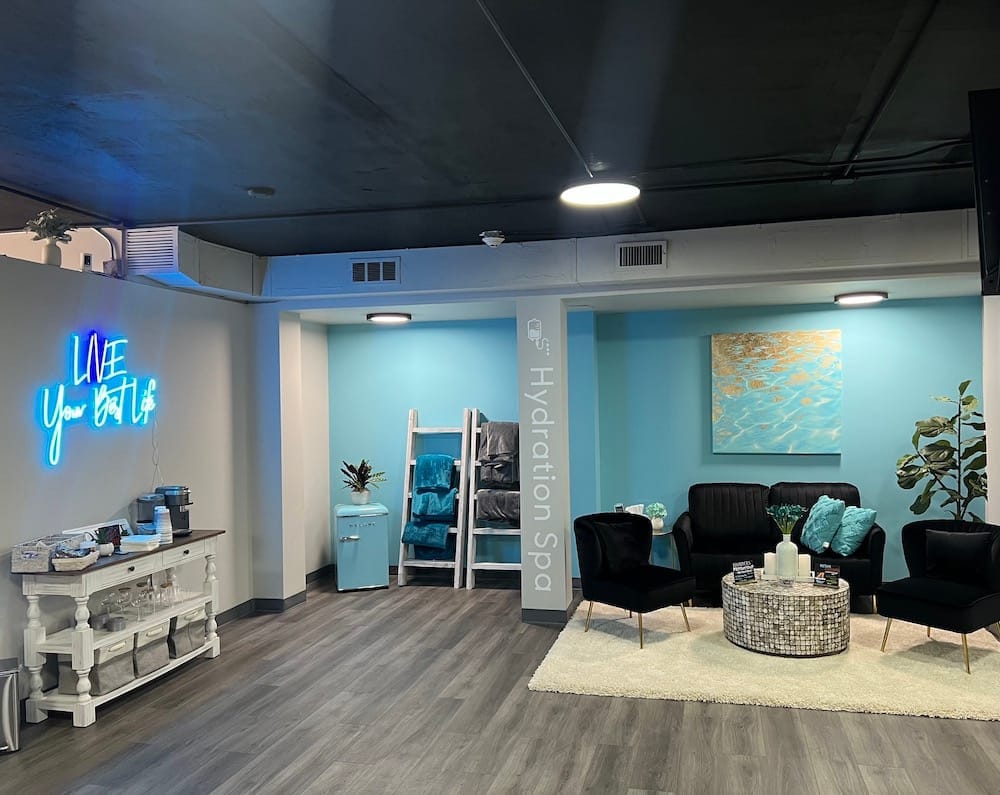
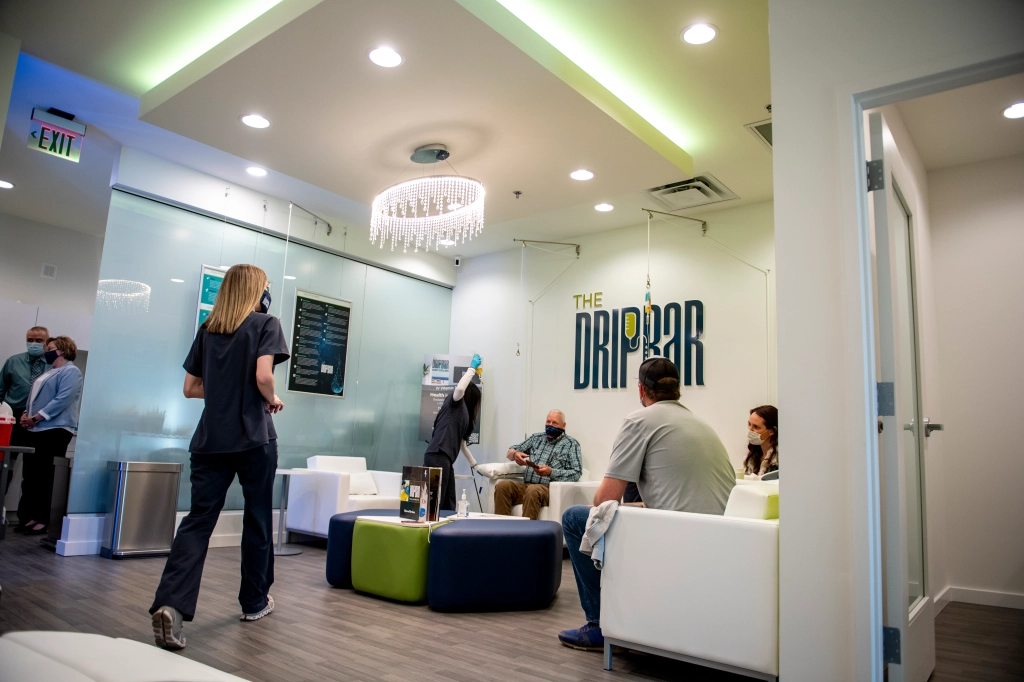
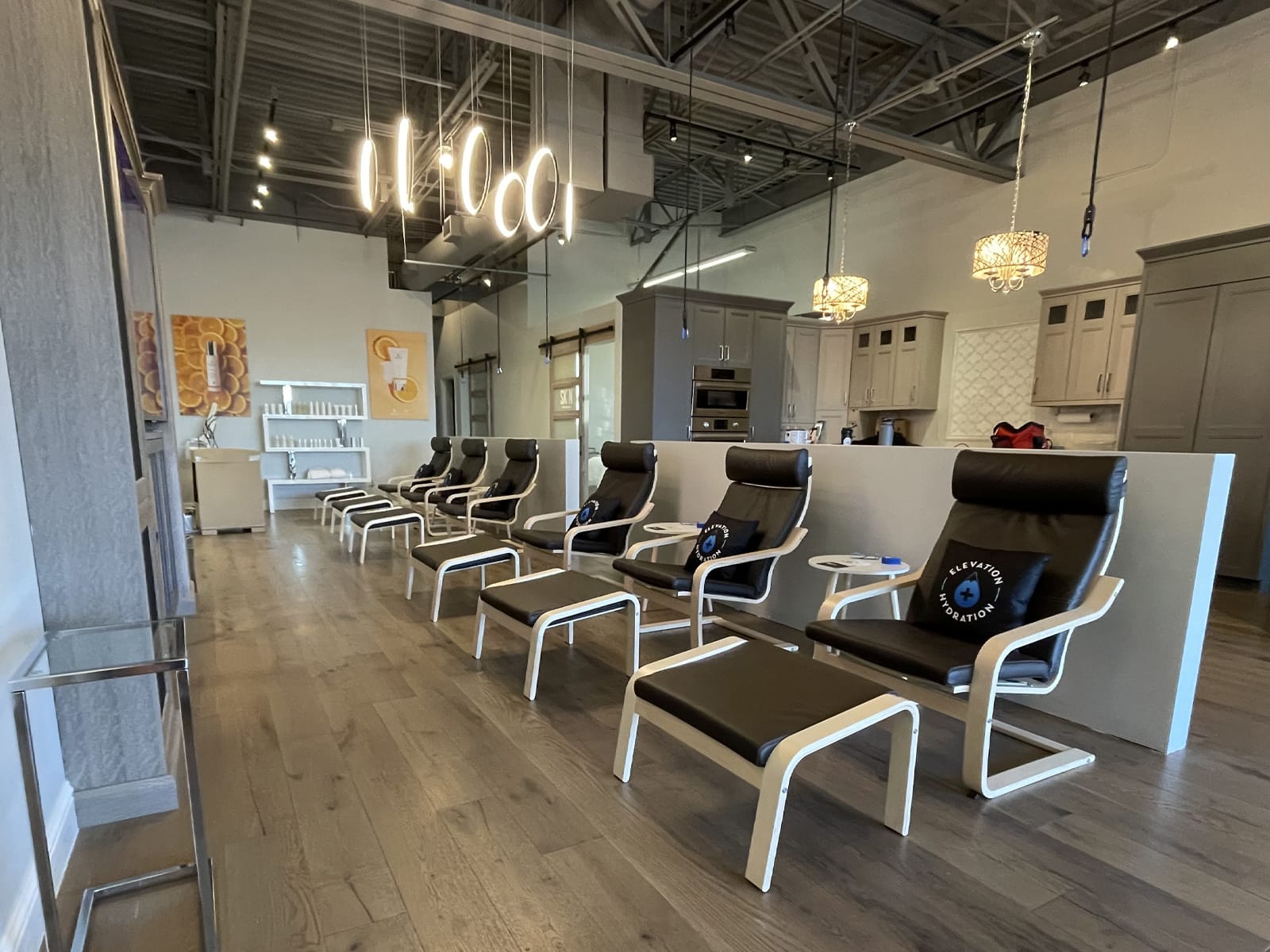
The more traditional path is the brick-and-mortar IV clinic franchise. Think of it as creating a wellness destination. These locations often feel more like a modern spa than a medical office, with comfortable lounge chairs and a high-end atmosphere. While this model requires a larger investment in rent and interior design, it builds a strong, visible brand and can attract walk-in traffic. It’s the difference between a full-service restaurant and a pop-up kitchen.
Alternatively, the mobile or "concierge" model brings the service directly to the client—at their home, office, or hotel. One of the main benefits of a mobile IV business is the dramatically lower startup cost, as you eliminate rent and extensive build-out expenses. This model thrives on convenience and discretion, appealing to busy professionals, private groups, and event planners.
Ultimately, the decision comes down to your goals and capital. Do you want to build a high-end, physical destination, or offer a flexible, lower-overhead service? Both models require a licensed medical professional to handle the treatment itself. This raises a crucial question for any potential owner: what are the rules, and do you need a medical background to run the business?
Do You Need to Be a Nurse to Own an IV Clinic Franchise? Unpacking the Medical Rules
This is one of the most common questions, and the answer is surprisingly simple: no, you don’t need to be a nurse to own an IV bar. Think of it like owning a high-end restaurant; you don’t need to be the head chef. Your job is to run the business—managing marketing, finances, and the customer experience. You hire expert medical professionals who are responsible for the clinical side, ensuring every treatment is administered safely and correctly.
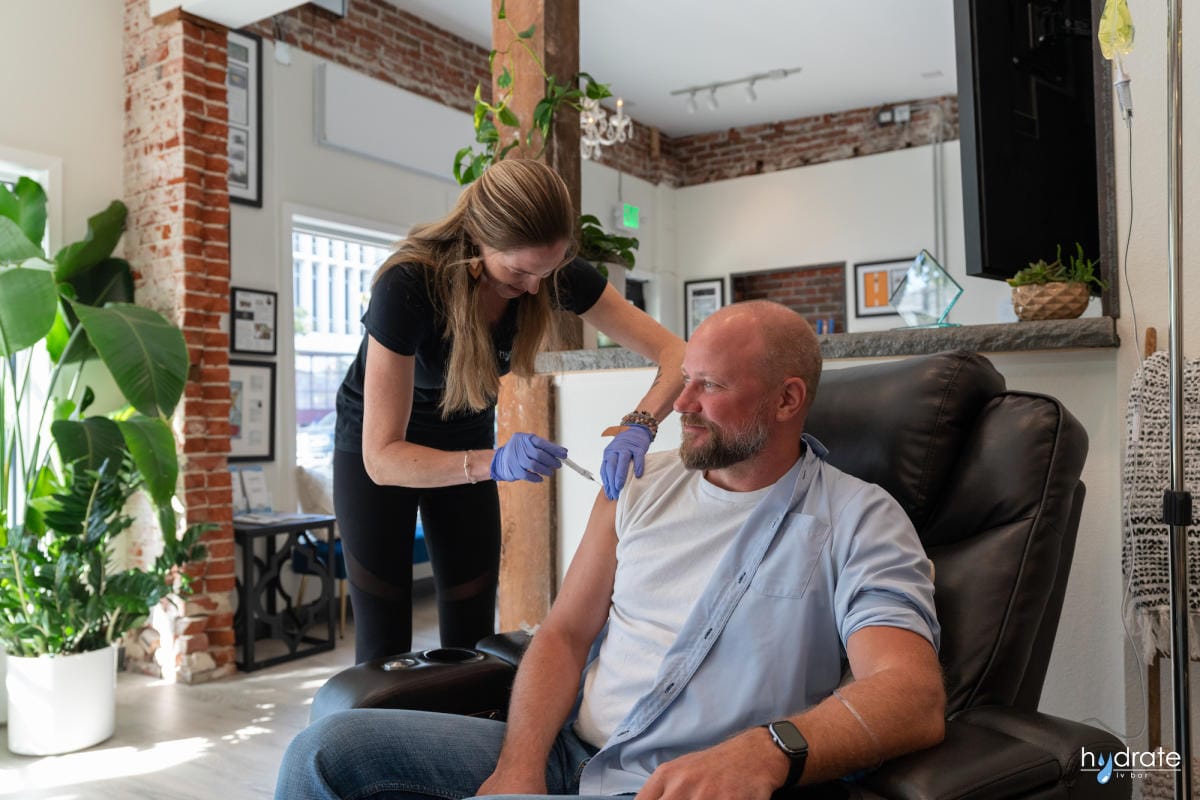
However, every IV therapy business absolutely requires a licensed medical team. At the top is a physician who acts as the clinic's Medical Director for IV therapy. This doctor oversees all clinical operations, approves the menu of IV treatments, and ensures protocols meet medical standards. Then, registered nurses (RNs) or other qualified practitioners perform the actual infusions, working within their state-regulated "scope of practice"—the professional rulebook defining what they are legally allowed to do.
Navigating these IV therapy clinic regulations is where a franchise provides immense value. Instead of starting from scratch, a good franchisor provides a clear roadmap for compliance. They often help you find and contract with a qualified Medical Director and offer guidance on hiring and training nurses. This support turns a major legal hurdle into a manageable checklist, allowing you to focus on building a successful business.
Is Owning an IV Drip Franchise Profitable? The Key Factors That Drive Success
With the right medical team in place, your focus shifts to the big question: is owning an IV bar profitable? While a sleek clinic and a wellness-focused mission are appealing, a successful business needs a solid financial engine. Profitability isn’t just about selling a single IV drip; it’s about creating a sustainable flow of clients and revenue that consistently outweighs your operational costs. Success hinges on a simple formula: getting enough clients, charging the right price, and encouraging them to come back.
A key reason for the business model’s appeal is the IV hydration bar profit margin on individual services. The actual cost of the vitamins and saline in a drip is relatively low compared to the price a client pays. This gap is where your profit comes from. However, that per-service profit must cover all your other expenses: the clinic’s lease, marketing costs, and the salaries for your highly-trained medical staff. This is why having a menu with a strategic mix of popular IV drip menu services—from affordable "Hydration Boosts" to premium "Anti-Aging" infusions—is vital for attracting a wide range of customers.
Ultimately, the most successful IV bars don’t just rely on one-time visitors. They build predictable income through membership programs. Think of it like a high-end gym; members pay a recurring monthly fee for regular treatments at a better value. This model is a game-changer. It provides a stable financial foundation to cover your fixed costs, transforming unpredictable walk-in traffic into a reliable revenue stream. When evaluating your options, understanding how a franchise builds this loyal, recurring customer base is essential.
How to Choose the Right IV Therapy Franchise: 3 Questions to Ask Before You Commit
Once you understand the profit potential, the search for the best IV clinic franchise opportunities begins. But how do you separate a great partner from a slick sales pitch? Your most important tool is the Franchise Disclosure Document, or FDD. Think of it as the franchise’s official, legally-required rulebook, detailing all fees, obligations, and history. With that in hand, your first question should be: What specific support do I get? A good franchisor provides more than a logo; they offer a roadmap for navigating medical compliance, training your staff, and marketing your clinic effectively.
Just as important is the brand’s public face. Ask yourself: Does this brand attract the right clients? Look at their website, social media, and clinic designs. Does it feel like a high-end wellness destination that can command premium prices and attract loyal members, or does it feel generic? A strong, trusted brand does much of the heavy lifting for you, making it easier to build the recurring revenue base we discussed earlier. It’s the difference between opening an unknown coffee shop and a Starbucks.
But the single most crucial question is one you ask other owners: Are you happy you did this? The FDD contains a list of all current franchisees, and talking to them is the most revealing step in how to choose a franchise. This process, called "validation," is your reality check. Ask them directly about the support, the brand's strength, and their profitability. Their honest answers will tell you more than any brochure ever could, giving you the confidence to move forward.
IV Therapy Franchise Opportunity Options
For detailed information and to get started in the process, the next step is to request information on IV Therapy Franchises, here are the best options:
Is an IV Therapy Franchise Your Next Move? A Final Checklist for Curious Entrepreneurs
What was once just a wellness trend on your social media feed is now a clear business concept. You've peeled back the layers of the IV therapy franchise model, moving from curiosity about the service to understanding the mechanics of owning the business. You can now confidently evaluate the opportunity behind the hype.
To decide if this path is right for you, consider these key questions:
- Are you passionate about the wellness industry and helping people feel their best?
- Are you prepared to be a business manager, handling everything from marketing to staff?
- Does the "business-in-a-box" support of a franchise appeal more than building from scratch?
Answering these questions clarifies whether starting a business in this space is a good fit. An IV therapy franchise sits at the powerful intersection of a high-demand service and a proven structure. You’re no longer just watching a trend grow; you’re now equipped to decide if you want to be the wellness entrepreneur leading it.